Child Abuse Prevention Awareness Month: Signs You Should Know
Did you know the month of April is Child Abuse Prevention Awareness Month? While the fight is ongoing, every year, we revisit this important topic to spread awareness, and educate the public on why being able to identify the warning signs of child abuse is critical in the prevention of child abuse.
In this post, we'll explore important signs that adults should be looking out for when it comes to child mistreatment, as well as the steps you can take if you suspect any abuse or neglect. Awareness is key to protecting those in our community.
Key Takeaways
- In the United States, Child Abuse Prevention Awareness Month happens every April. It serves as a way to bring awareness to the mistreatment of children and promote child safety. To support, people participate in Wear Blue Day, plant pinwheel gardens in their communities, and spread awareness on social media.
- Signs of abuse in children may include unexplained injuries, sudden changes in behavior or mood, anxiety, and poor hygiene. Depression and fear are also common.
- Families can receive support from community-based programs and Family Resource Centers. Sources like Prevent Child Abuse America or childwelfare.gov can guide you on what steps to take if you suspect any child abuse or neglect.
- If you suspect abuse, document your findings clearly. Communicate with the child and then reach out to law enforcement or social workers if needed. Taking quick action may save their life.
- Community involvement is necessary year-round over the long-term, not only in April. Educate yourself on community resources in your area so you can respond if needed.
Understanding the Importance of Child Abuse Prevention Awareness Month
National Child Abuse Prevention Month, also known as CAP Month, serves to bring public awareness to the crime of child abuse as well as how the public can work to prevent it. People across the United States participate in prevention efforts every April by wearing blue on Wear Blue Day and also by planting pinwheel gardens.
Prevention programs like community-based support networks play a key role in strengthening families and protecting young people from physical abuse or neglect.
Being able to spot the warning signs of abuse also help adults keep kids safer. This knowledge can help you respond and report abuse quickly if you suspect something is off.
Key Signs of Child Abuse You Should Know
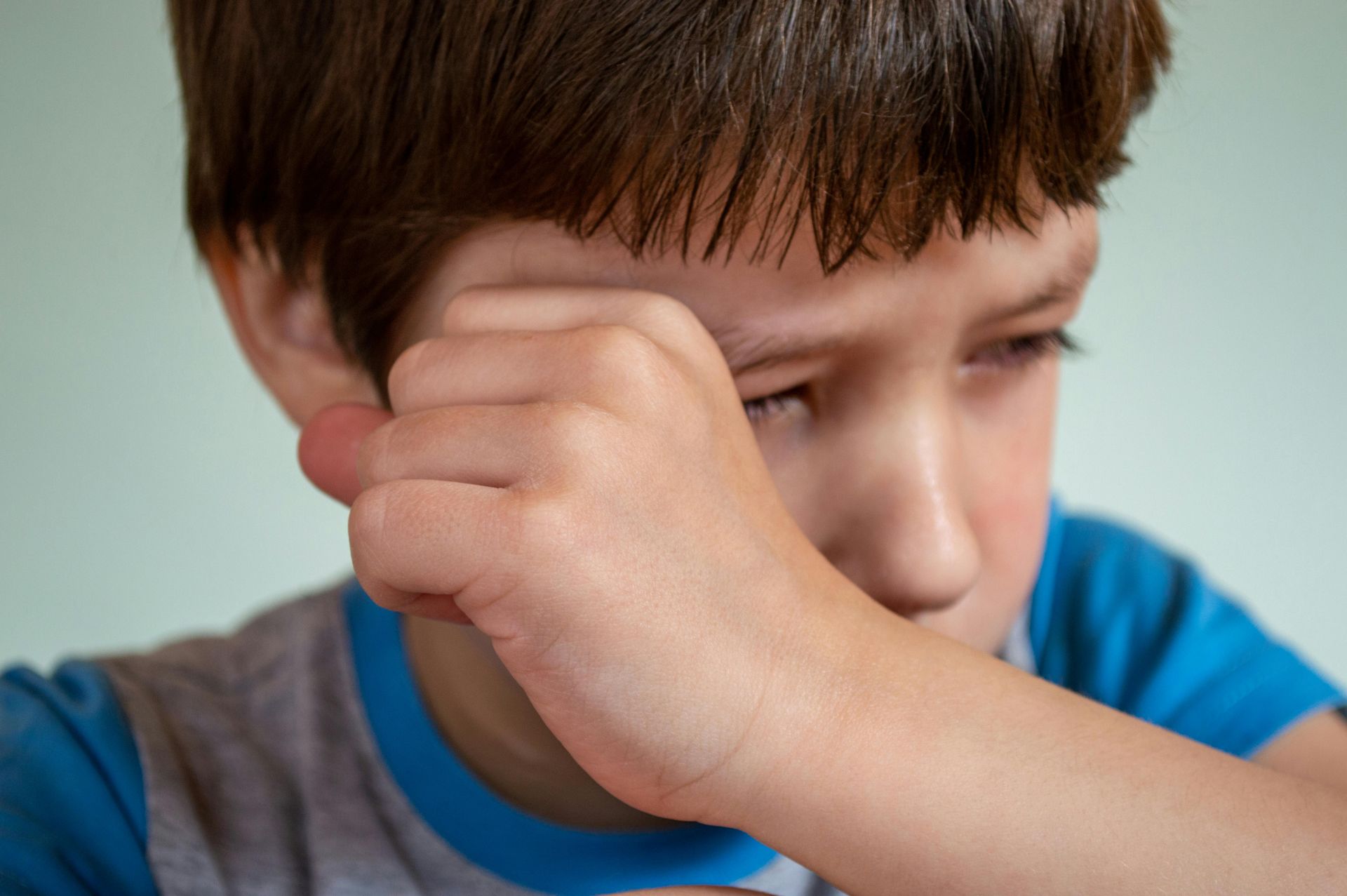
The signs of child abuse can be alarming or subtle. Unusual injuries, changes in behavior, or anxiety signal a deeper problem.
Physical signs
Being able to identify the physical symptoms of child maltreatment is an essential part of keeping kids safe from harm.
- Unexplained injuries such as bruises, burns, or fractures.
- Ripped or marked clothing could be a warning sign, especially if this occurs frequently.
- Children may appear to be unwashed, underfed, or in need of healthcare. This is a clear sign their basic needs are not being met.
- Behavioral changes such as anxiety around specific adults could signal a problem.
- Headaches or stomachaches with no medical origin are common in abused children.
- Fear of going back home, or displaying an extreme reaction when talking about their household could indicate they are not living in a safe environment.
- Developmental delays or a sudden regression in abilities may be a sign of trauma.
- Pain, bleeding, or an infection in the genital area could indicate potential sexual abuse.
Behavioral changes
Sudden changes in a
child's behavior could be a warning sign of possible mistreatment. Catching these changes quickly is key to stopping abuse and protecting a child's safety.
- Fear specific to certain locations or people. This might look like a child experiencing anxiety when visiting specific places or when expected to spend time with a certain person.
- Lack of enthusiasm for activities they used to enjoy, such as sports or games.
- Clear changes in dietary habits like eating much more, or much less food than usual. This could also result in weight loss or gain.
- Changes in sleeping routine such as difficulty falling asleep, frequent nightmares, or oversleeping are common.
- Reverting to past child-like behaviors including thumb sucking, or a new fear of the dark.
- Extreme, fluctuating behaviors may become more common. These could range from passiveness to aggression.
- Decline in performance at school resulting in lower grades and attendance.
- Avoiding friends and family, preferring solitude over interacting with others.
- Unexplained gifts or money from an adult, suggesting that someone is attempting to manipulate their silence after abuse.
- Self-destructive behavior like suicidal thoughts, or engaging in dangerous activities without concern for their own safety.
Emotional indicators
Emotional indicators are another crucial signs of child abuse. Here are some common warning signs.
- Struggling to express feelings appropriately, or becoming detached or indifferent during social interactions.
- A clear loss of self-esteem, expressing negative comments about themselves or not feeling worthy of love.
- Withdrawal or isolating from social activities and friends.
- Mood changes like irritability, anger, or sudden outbursts of aggression without a clear reason why.
- Difficulty trusting others and forming relationships. Fear of betrayal or harm.
Help End Child Abuse in Michigan
Child Abuse Awareness Month serves an important purpose every April. Bringing attention to the matter of abuse and spreading public awareness and community engagement means that more lives can be saved every year. If you suspect abuse, you can contact organizations like the National Child Advocacy Center to report it.
Programs like Kids Voices Matter taught through local Detroit organizations such as A Courageous Voice help to promote the safety of children throughout Michigan and beyond. To get involved in child abuse prevention efforts, get in touch today to make a difference.
FAQs
1. What is Child Abuse Prevention Awareness Month?
Child Abuse Prevention Awareness Month happens every year in April to bring attention to the issue of preventing child abuse. It promotes awareness around recognizing warning signs of abuse, and how to report mistreatment.
2. How can communities help prevent reoccurrence of child abuse?
Communities support prevention work by spreading awareness about abuse and it's warning signs. By working with local organizations like A Courageous Voice, volunteering, and educating yourself on the signs, you can help prevent this crime. If you suspect child abuse, you can contact organizations like the Child Advocacy Center to report it.
3. Who are mandated reporters and what role do they play in prevention?
Teachers, doctors, childcare workers, and other individuals who work closely with children are considered Mandated reporters. If they suspect child abuse or neglect, they must report it right away to an official government organization.
4. Why is the blue pinwheel a symbol during this awareness month?
The blue pinwheel is a symbol of hope for the well-being of children across the United States. During the month of April it serves as a reminder about the need for continued awareness around prevention efforts at both local and national levels.