Why Educating Kids About Child Abuse Prevention Is Essential
Every year, child abuse prevention programs across the United States report thousands of
cases of child abuse occuring in both public schools and homes. While this crime is widespread, it's important to know that educating kids about child-protection can empower them to stay safe and speak up if they feel that they're in danger.
Awareness and education allows kids to recognize warning signs and helps them begin to trust their instincts when it comes to unsafe behavior. Keep reading to learn how to educate your family about child abuse prevention in Detroit and beyond.
Key Takeaways
- Educating yourself and your kids about prevention of child abuse helps you notice signs of unsafe behaviors early on. Programs like Kid's Voices Matter and the Child Welfare Information Gateway offer resources and education for families around child abuse.
- Keeping open communication around body safety at home and at school prepares kids to speak up if they ever feel scared or threatened.
- Educating children builds confidence and empowers kids so they feel comfortable saying “no” when they encounter unsafe situations.
- By giving children the tools they need to protect themselves, it reduces the risk of future harm and creates safer homes and schools for everyone.
The Importance of Teaching Kids About Child Abuse Prevention
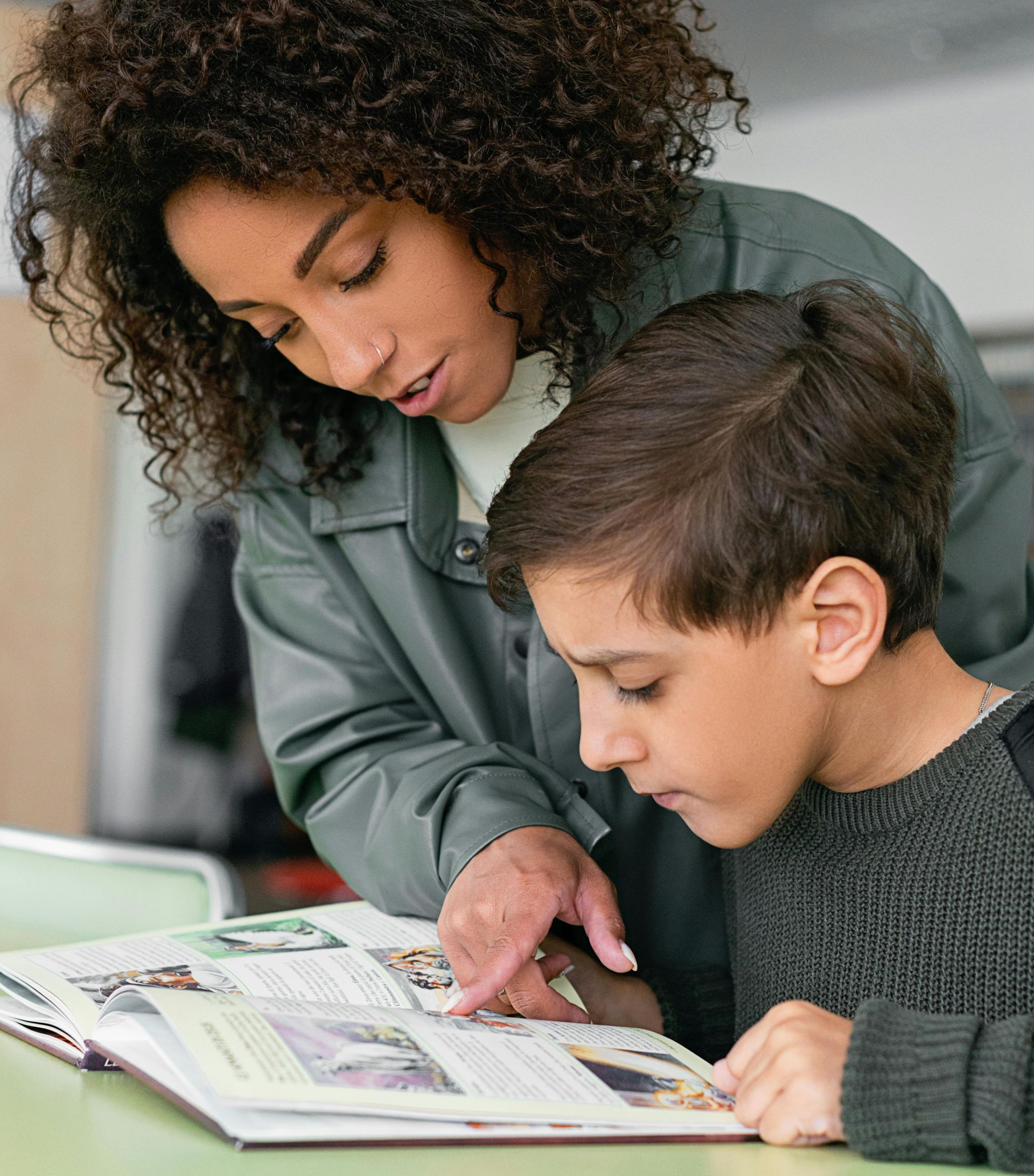
Educating kids about child abuse prevention is essential for their safety. This knowledge not only helps them identify unsafe behaviors, but empowers them to say something when they feel uncomfortable or in danger.
Building Awareness of Safe and Unsafe Behaviors
You can help kids understand the difference between safe and unsafe behaviors by through open conversations, and practical guidance. Tools like prevention training, lessons in body safety, and resources from organizations like
A Courageous Voice in Detroit train children to recognize the warning signs of physical abuse or child sexual abuse.
Adults should keep an open conversation with their young children about how to conduct themselves online. They should be clear on what information is sensitive and why sharing it online or on social media might not be safe. These positive parenting skills will keep your child aware and safe while online. To reinforce the learning of body safety skills at home, human service workers can also make home visits to assist parents in getting this education across effectively.
Empowering Kids to Speak Up and Seek Help
After being able to recognize a potentially dangerous situation, the next step is to teach kids how to speak up for themselves when something is not right. They need to learn that it's always okay to share sensitive information or their concerns with a trusted adult, whether that concern involves a family member or someone else.
Schools can also encourage this guidance as well by taking advantage of prevention resources like training programs such as Kid's Voices Matter.
If children are ever feeling threatened or uncomfortable, they should speak with a trusted adult right away, or reach out to urgent helplines like Stewards of Children Helpline. Empowering young people is key in helping them build up confidence so that they feel supported no matter what issues they run into. Having the right family support is also essential to building a nurturing environment for kids.
How Education Helps Prevent Abuse

When kids learn to trust their instincts, they will have a better understanding of when to ask an adult for help. Building this confidence allows them to navigate future challenges more easily.
Developing Protective Skills and Confidence
Children learn to trust their instincts by learning about safe and unsafe behaviors. By engaging with kids through interactive lessons, these activities promote active participation and better awareness around abuse.
Part of early child development education should include teaching kids how to say “no” when they feel uncomfortable. Teachers play a vital role when it comes to developing these critical skills. They can also watch for sudden changes in behavior, mood, or school performance which may serve as warning signs of abuse.
When schools invest in child abuse and exploitation prevention training programs like Kids Voices Matter, children will understand how to handle themselves online, know what not to disclose, be able to identify a healthy vs. unhealthy relationship, and display more confidence at home, school, even while in foster care.
Educating mandated reporters like teachers and staff adds another level of safety. Having these skills will allow children to stand up confidently and say something if or when they find themselves in a problematic situation.
Empowering Our Kids
Teaching kids about child abuse prevention is an important step to stopping the abuse and exploitation of minors. This education provides them with the tools and skills they need to recognize unsafe behaviors and respond appropriately, or ask for help. Empowered children are more likely to grow into confident young adults who can protect themselves and those around them.
By prioritizing this crucial education and public health approach, we can create a safer environment for all children. Learn more about our Kids Voices Matter training program by visiting our site at A Courageous Voice.
FAQs
1. Why is teaching children about child abuse and neglect prevention important?
Educating kids about child abuse and neglect prevention helps to create a safe environment in which children can easily identify early warning signs of abuse, ask for help when necessary, and reduce the risk of adverse childhood experiences that can greatly impact mental health.
2. How does learning about child abuse and violence prevention support young adults?
Understanding abuse and violence prevention brings awareness to young adults and helps them identify unsafe situations. The right education provides guidance and builds confidence in kids so they can trust themselves to ask for help or say "no" when uncomfortable.
3. Can education and awareness around child abuse reduce the chance of adverse childhood experiences?
By educating kids early on about abuse prevention policies, children will have less likelihood of falling into an abusive situation, and therefore, less chance of having severe mental health issues like adverse childhood experiences later on in life.