Explore Safe Schools Training for Educators and Staff
Schools need adults who can recognize concerns and respond without pressuring a child for details. Through safe schools training, educators develop practical prevention and response skills beyond general campus security. This article focuses on child-safety education from A Courageous Voice. Discover how you can implement safe school training in your community.
Key Takeaways
- Safe Schools Training helps staff follow key safety steps and meet federal and state laws like FERPA and ADA.
- Lessons cover crisis response, bullying prevention, mental health support, data privacy, and communication rules.
- Educate staff to respond to situations like unsafe online contact and digital exploitation risks.
- This training makes schools safer by cutting risks, speeding up response times, and meeting audit standards for safety compliance.
Help Every Adult Respond When a Child Needs Support
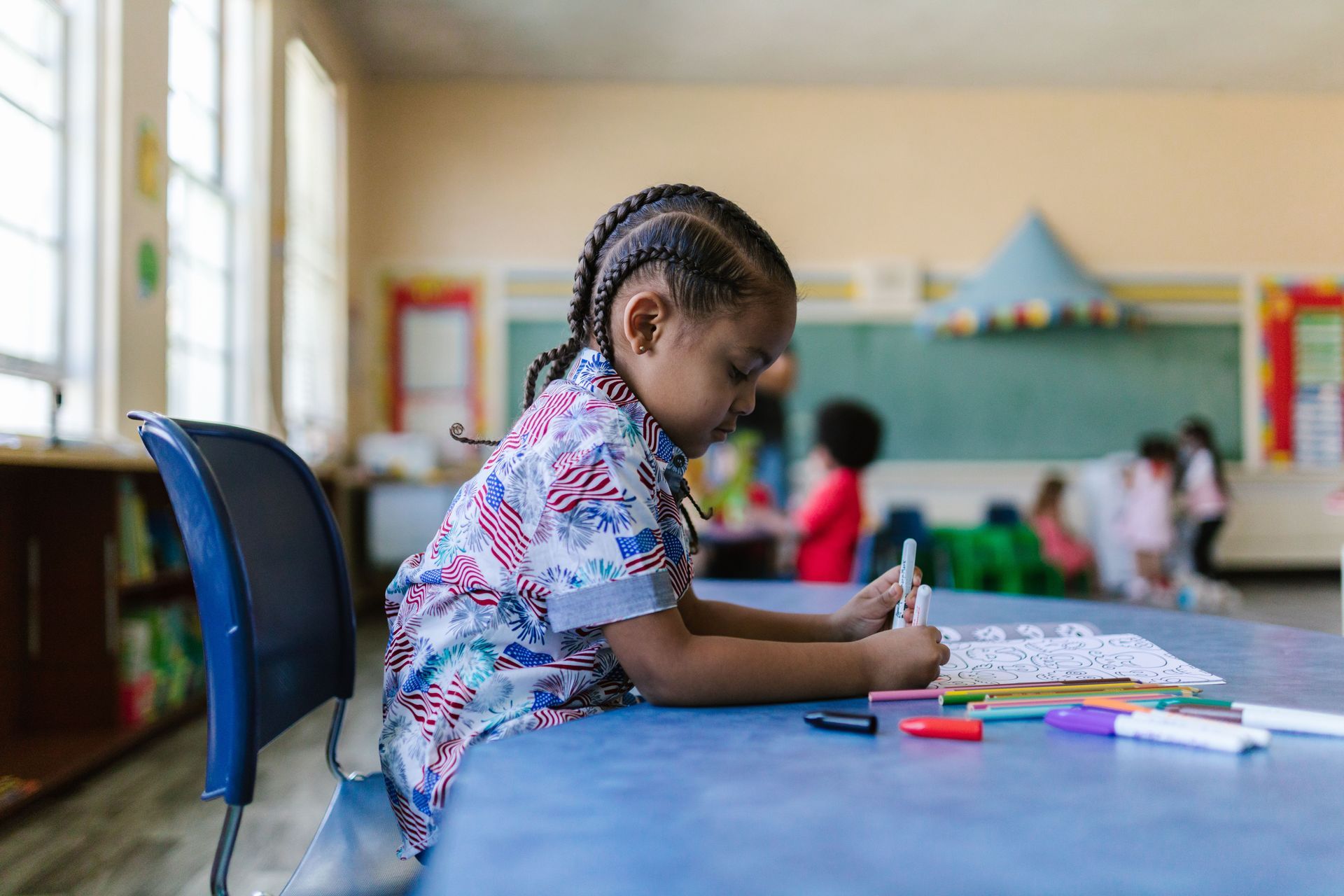
K-12 teachers, administrators, caregivers, and support staff learn to recognize possible child abuse. They'll also learn to identify child sexual abuse, child trafficking, and child exploitation. Training prepares adults to give a supportive response to child disclosures without attempting to investigate.
Prevention Education Grounded in Child Safety
A Courageous Voice addresses abuse, grooming, trafficking, exploitation, online safety, and digital safety. Adult preparedness complements age-appropriate prevention education through programs including Stronger Together.
Close the Gaps That Can Leave Concerns Unnoticed
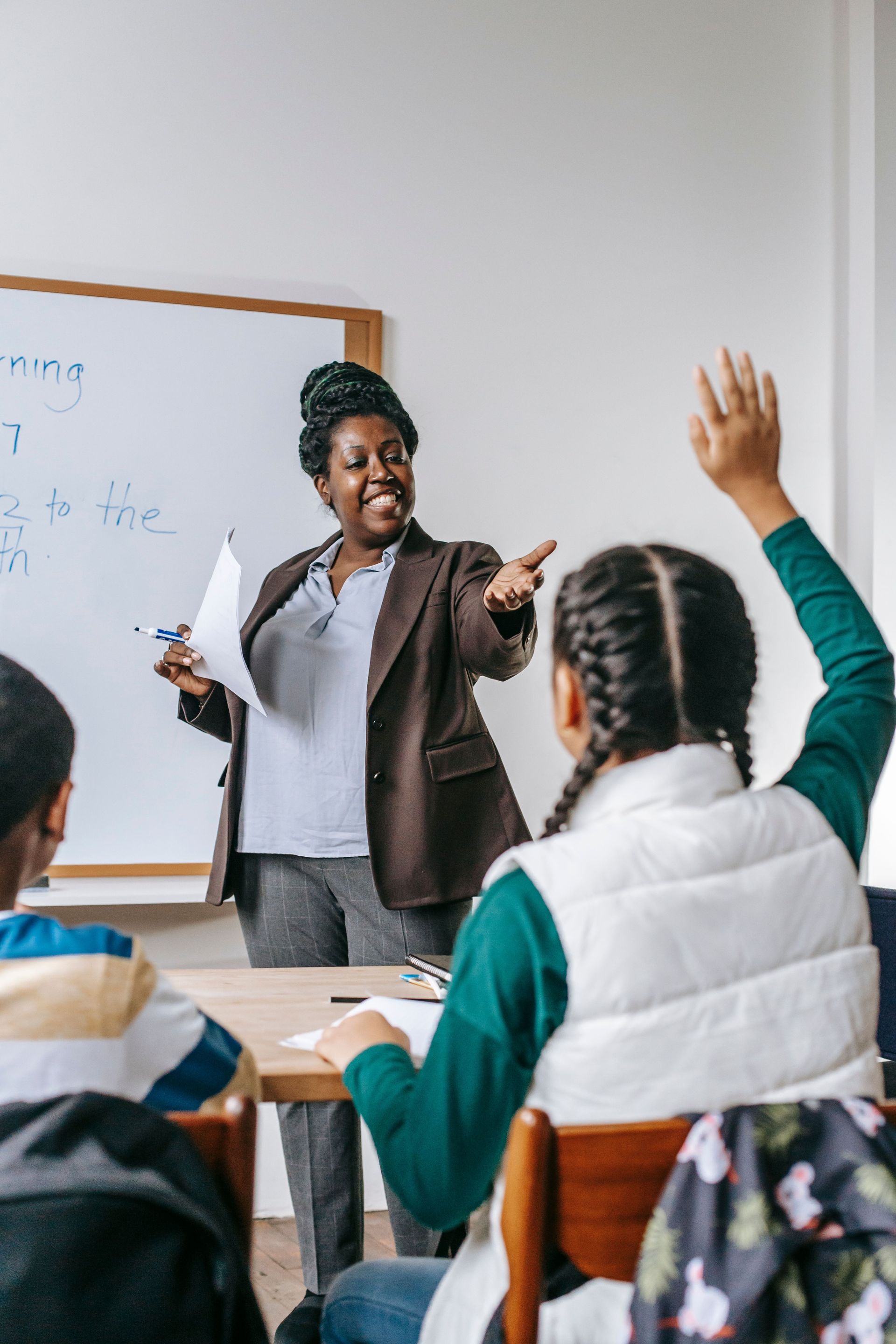
Training addresses uncertainty about physical, behavioral, and digital warning signs. It also helps staff avoid common response mistakes and understand reporting pathways. It helps establish shared language with families and community partners.
Training Built for the Adults Children Trust
A Courageous Voice offers parent training, teacher training, speaking engagements, and community engagement centered on prevention and early recognition. Sessions can strengthen school safety by preparing the adults children already know.
Educator and Staff Training
Participants learn to recognize concerns, listen calmly, document accurately, and follow organizational reporting procedures. Supportive boundaries include reassuring the child, protecting immediate safety, avoiding leading questions, and leaving investigations to the appropriate authorities.
Kids Voices Matter Prevention Education
Kids Voices Matter connects adult preparation with age-appropriate lessons about body safety, boundaries, trusted adults, and speaking up. Consistent messages across school, home, and community settings help children understand where they can seek support.
Give Staff Skills They Can Use Immediately

Parent and Teacher Training helps participants:
- Recognize grooming patterns and possible indicators of abuse or exploitation.
- Respond to disclosures with calm, supportive, non-leading language.
- Distinguish a concern or disclosure from an investigation.
- Identify unsafe online contact and digital exploitation risks.
- Communicate consistently with families and trusted partners.
Make Child Safety Training Easy to Plan

- Discuss your audience, setting, and priorities with A Courageous Voice.
- Select educator, parent, community, or student training topics.
- Schedule a session with practical, prevention-focused next steps.
- Continue the work through advocacy, education, and community partnerships.
Start Building a More Prepared School Community
A Courageous Voice focuses on preventing child abuse and exploitation through education for children and adults. Its work includes training, speaking engagements, community partnerships, and Advocacy and Policy Change addressing offline and online dangers.
Explore A Courageous Voice training to support children and strengthen prevention across your school community.
FAQs
1. What Does Safe Schools Training Cover for Educators and Staff?
It covers recognizing possible abuse or concerning behavior, responding supportively, and emergency management, and understanding reporting responsibilities. The focus is child-centered prevention and response rather than general campus security.
2. Who Should Take Safe Schools Training?
Teachers, counselors, administrators, support personnel, parents, and community partners can benefit. Shared preparation supports a more consistent response when someone notices warning signs or a student raises a concern.
3. Is This a Certification Program?
This special education builds awareness and practical readiness. Do not treat it as a certification unless you confirm that status for a specific engagement.
4. Does Training Replace Mandated Reporting Policies?
No. Participants must follow applicable laws, mandated reporting duties, and organizational procedures.
5. How Can Our School Explore Training?
Contact A Courageous Voice to discuss educator training and related Kids Voices Matter prevention education. Select an option aligned with staff roles, student ages, and current child-safety priorities.