
Understanding Domestic Violence and Domestic Abuse
Some people wonder whether a relationship is really experiencing abuse if a victim can't can't point to one single explosive incident, or produce a police report. Understanding domestic violence and domestic abuse helps us better understand this. Abuse that occurs in intimate partner violence often first appears as control, harassment, fear, and isolation. In this guide, we'll explain the warning signs, immediate safety steps, support options, and how to help someone safely.
Key Takeaways
- Domestic abuse and dating violence is actually about power and control. Domestic violence often refers to physical acts, violent behavior, or threats. Both types of physical abuse or sexual abuse can be life-threatening.
- Warning signs, escalation indicators, and instinctive fear all deserve serious attention because waiting for certainty can increase danger.
- Victims can access support through local and national hotlines, advocates, healthcare settings, shelters, law enforcement, and legal systems.
- The next step may simply be a conversation, a new plan, or a single confidential question.
What Domestic Violence and Domestic Abuse Mean

Domestic abuse is a pattern of behaviors used to gain or maintain power and control over the victim. This can occur in an intimate or family relationship. Intimate partner abuse can include intimidation, surveillance, humiliation, sexual coercion, or economic restriction. It's essential to understand that visible injury is not required for serious harm to exist.
Domestic violence often refers more specifically to physical force or threats of force. This may include hitting, kicking, or threats that make a person fear bodily harm. Many agencies use the terms interchangeably because physical violence rarely appears alone. The effects on children can be severe, even when the abuse is directed at a parent.
Domestic Abuse vs. Domestic Violence
Domestic violence usually points to physical acts or threats. This may include strangulation, which is a major lethality indicator, not a minor assault. Domestic abuse is broader. The person involved may require safety planning, legal guidance, and confidentiality protections long before a visible injury occurs.
Who It Can Affect
Abuse occurs across genders, sexual orientations, ages, cultures, religions, and income levels. It can involve spouses, dating partners, ex-partners, co-parents, family members, and past partners. No
demographic status
protects someone from coercive control.
Common Forms of Abuse Beyond Physical Violence

Common forms include emotional abuse, psychological abuse, sexual violence, financial abuse, digital abuse, stalking, and persistent harassment. The legal definitions can vary under criminal law, but risk assessment should focus on patterns of fear, entrapment, and escalating control.
Coercive control is often the central dynamic tying these forms together. Isolation, intimidation, monitoring, and rigid rules are not side issues. They reduce autonomy and make resistance or escape more dangerous.
Power and Control Dynamics
The Power and Control Wheel shows how abusive incidents often support a larger strategy of domination. A single outburst may appear to be isolated, but that's usually not the case. This pattern often reveals a deliberate restriction of movement, money, communication, or decision-making.
Examples People Often Miss
Non-consensual tracking and device monitoring are subtle forms of digital abuse. Restricting access to money, work, transportation, or healthcare also functions as coercive control. Trauma-informed care recognizes that victims may minimize these tactics because they have adapted to survive them.
Warning Signs and Red Flags to Recognize Early

Early warning signs often include jealousy framed as love or pressure for rapid commitment. It can also look like humiliation disguised as jokes, intimidation, or cutting a person off from friends or family. Abuse often begins with the erosion of a boundary, not just physical domestic assault.
Signs of escalation also deserve urgent attention. This is especially true for weapon threats, stalking, forced sex, and choking or strangulation. Fear is also a critical indicator and warning sign.
The Cycle of Abuse
A common pattern includes tension-building phase, an abusive incident phase, a reconciliation phase, and then a calm phase. Not every abusive relationship follows this sequence. Abusers use apologies, gifts, and promises to coexist while continuing to enforce their control over time.
Why It Can Be Hard to Identify
Abuse often starts subtly and becomes normalized through repetition. Gaslighting distorts memory and judgment. Many people spend months or years questioning themselves instead of recognizing a coercive pattern.
Immediate Safety: What to Do If You’re in Danger

If danger is immediate, call local emergency services as soon as you safely can. Immediate safety planning should prioritize escape routes, safe rooms, a charged phone, and child safety arrangements. A crises often requires quick decision making skills.
If you suspect you're being monitored, use a trusted person’s phone or a safe device when researching help. Abusive partners or ex-spouses often escalate their control when they sense loss of control. Even information-seeking should be treated as a safety event.
Safety Planning Basics
Prepare for a quick exit with keys, identification, medications, and cash if possible. Keep it in a small bag stored where it will not be discovered. Use code words with trusted friends and designated safe places to reduce hesitation during a high-risk moment.
Digital Safety and Privacy
Digital privacy is part of physical safety. Disable location sharing and review account logins. Assume an abuser may monitor calls, texts, email, social media, smart devices, or vehicle and phone GPS tracking.
Documenting Abuse and Preserving Evidence

Evidence preservation can support a protective order, custody case, workplace accommodation, housing request, or criminal investigation. Institutions often respond more clearly to patterns recorded over time than to one verbal disclosure.
Use low-risk documentation methods like dated notes, photographs of injuries or property damage, and saved threatening messages. Safety comes first because confronting an abuser with evidence can trigger retaliation.
What to Record
Record dates, times, the incident that occurred, witnesses, threats, stalking behaviors, and any injuries or damaged property. Medical documentation, police reports, and contacts with a shelter or hotline can also help establish a timeline.
Common Documentation Mistakes
Do not store evidence on a shared device, family cloud account, or in and email the abuser can access. Never tell your abuser that you are collecting proof. This can increase surveillance and your immediate risk.
Getting Support: Hotlines, Shelters, Healthcare, and Legal Options

Victims of domestic violence can access support through confidential support lines, local shelters, advocacy organizations, healthcare providers, counselors, and legal aid. The National Domestic Violence Hotline is widely recognized for its 24/7/365 support. This is critical because abusive behavior can happen at any hour.
Legal options can include protection orders, criminal reporting, or custody-related requests. It may also include workplace or school safety accommodations, depending on your location. You can ask questions confidentially without committing to any action. This helps restore control to people whose choices have been constrained.
What to Expect When You Reach Out
Advocates usually focus on a
survivor-centered approach alongside safety planning, resources, counseling, and emotional support. A strong advocate helps a person assess risk, understand options, and make quick decisions when needed.
How to Help Someone You’re Worried About
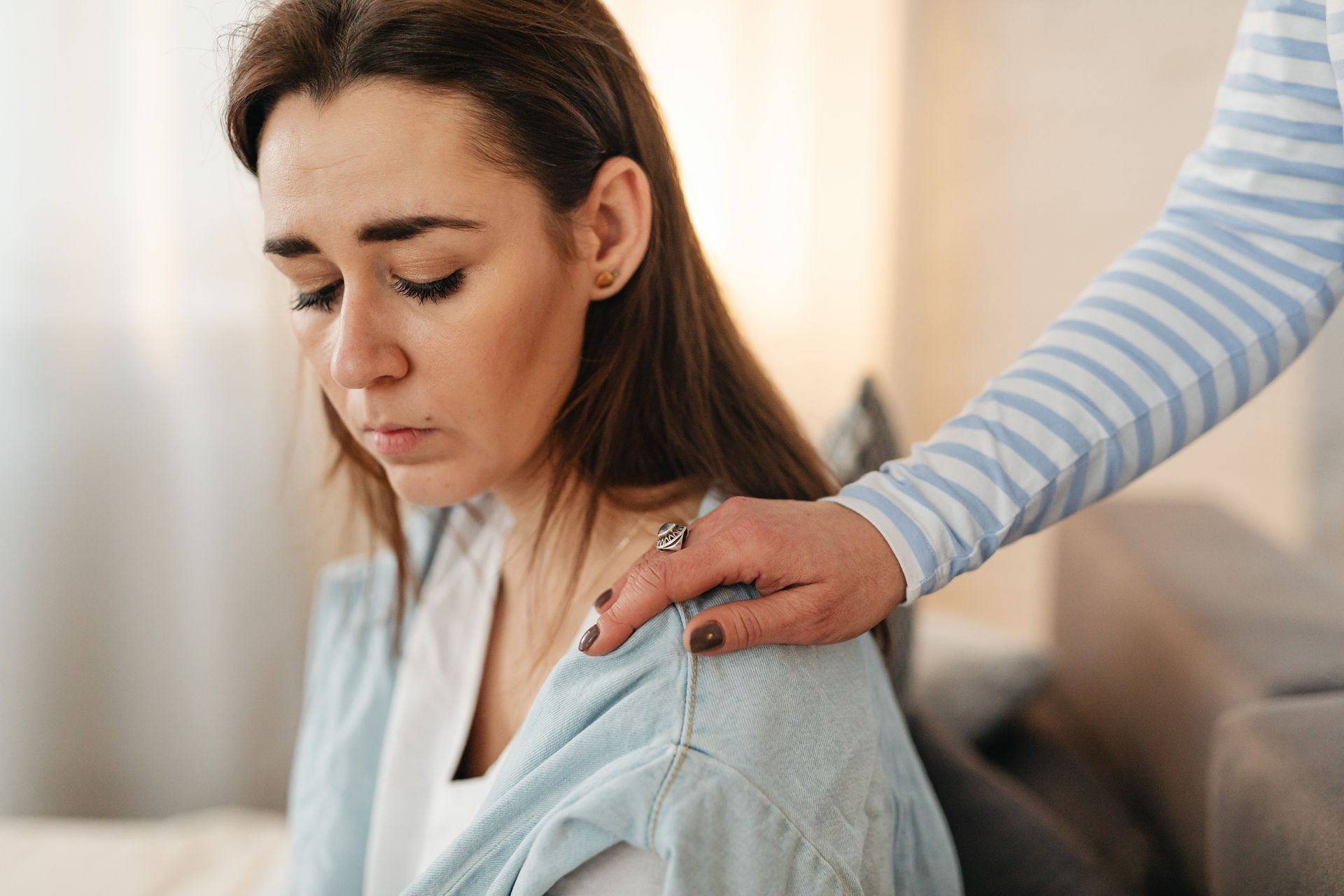
Start by offering private, nonjudgmental support, listen closely, believe them, avoid blame, and ask what they need. People facing abuse are often managing complex risks that are not seen by others, so respect for timing is a safety practice.
Never confront the abuser or pressure the person to leave immediately. Share resources, discuss safety planning, and offer help only in ways that do not increase surveillance or retaliation.
Do’s and Don’ts for Friends, Family, and Coworkers
Do check in privately, offer transport, childcare, a safe phone, or a place to store essentials if requested. Never minimize the abuse or demand proof because coercion can mirror the loss of control caused by abuse.
Workplace and Community Support
Workplaces and community settings can reduce risk by screening calls, changing routines, adjusting schedules, and documenting concerns. Policies vary, so local advocacy guidance is often the fastest way to align support with legal and safety needs.
Help is Available for Victims of Abuse
Understanding domestic violence and abuse is essential to knowing how to help those affected. Local support is available, don’t hesitate to reach out for help. Your safety matters, and there are people who want to support you through this difficult time.
A Courageous Voice in Detroit strives to create a safe environment for every child. Programs like
Kids Voices Matter
build awareness around this important topic and help to prevent future abuse. Get involved with our mission today to support this goal and keep our kids safe.
FAQs
1. What is the difference between domestic violence and domestic abuse?
Domestic violence usually refers to physical force or threats of physical force. Domestic abuse is broader and includes emotional, sexual, financial, digital, and coercive control behaviors.
2. What is the difference between abuse and violence?
Violence is a subset of abuse involving physical harm or threats. Abuse also includes non-physical tactics such as intimidation, isolation, manipulation, and control.
3. What is the definition of domestic violence and abuse?
These terms describe harmful behaviors within intimate or family relationships. They usually involve a pattern of power and control. This may include physical violence, threats, sexual harm, and coercive control.
4. Why was domestic violence changed to domestic abuse?
Many organizations use “domestic abuse” to show that harm is not only physical. Emotional abuse, coercive control, and financial restriction can be deeply dangerous to a survivor, even without visible injuries.